The phrase “that’s what life is” is engraved on my body as a reminder: what matters is not what happens to us, but what we do with it. How we choose to live, how we respond to our environment, what we say, what we do, and who owns the story, who shapes the narrative. Something that happened to me recently reminded me of this once again.
Зміст
Bicycle theft
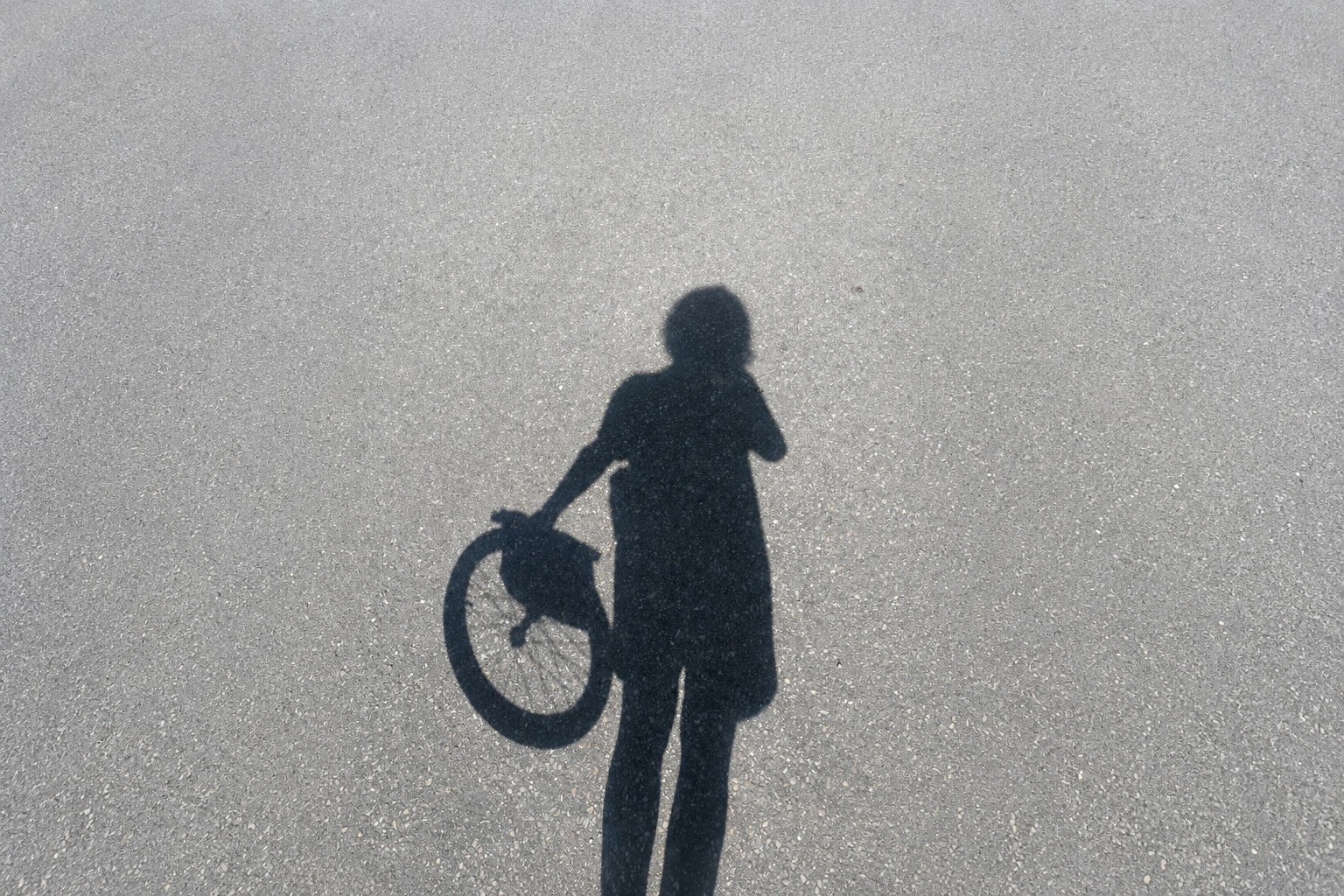
My child’s bicycle was stolen, with only the locked wheel left behind in the parking lot. At first, I thought the thief was after money. “I understand how hard it is to find a job in Sweden,” I wrote in a local group. “I don’t have one either. Sorry I locked the wheel and you couldn’t take the whole bicycle.”
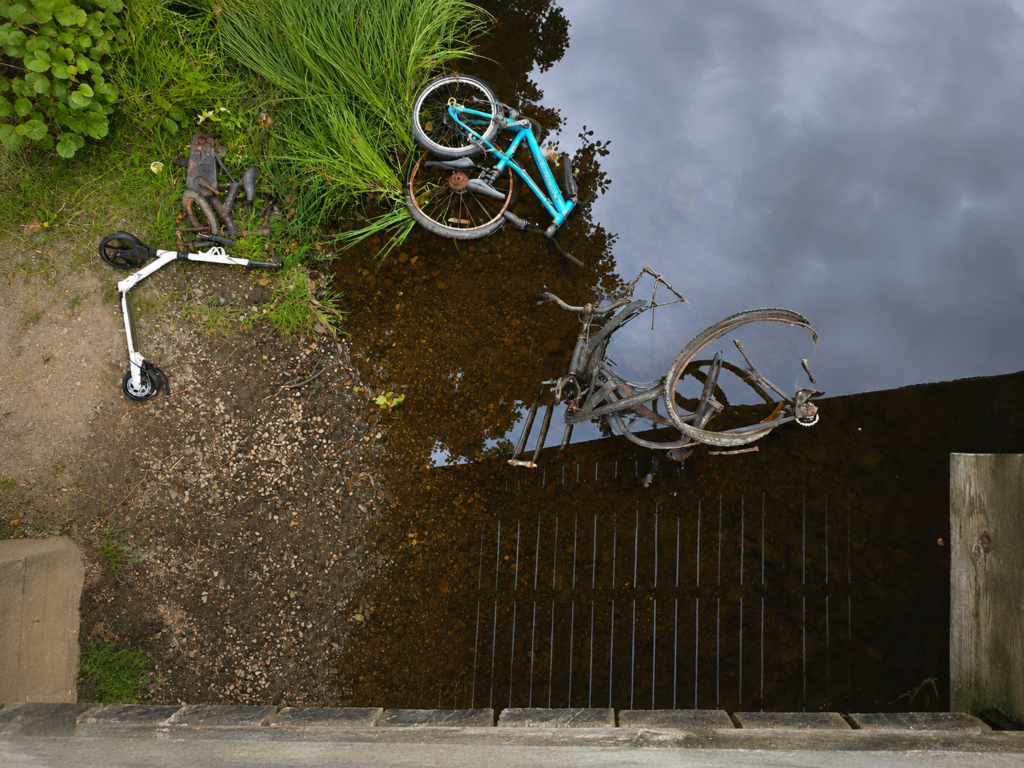
But then some locals found the bicycle in a nearby river, along with the remains of other bicycles and scooters. So it wasn’t about money. My first interpretation of the story turned out to be wrong.
I wrote another post. About how, while looking for my son’s bicycle in the river, I kept thinking about how much energy all of this takes: choosing a bicycle, unscrewing the wheel, taking it away, carrying it to the river, throwing it into the water. How strange it is to look at the result of someone’s energy-intensive activity and think that all this energy was spent simply destroying something, while you yourself are desperately short of that same energy for creative things. Give me that energy and I’ll turn the world upside down!
I thought of the Muscovite president’s words about the war: they need it, because what would they do without it, what would they occupy themselves with then? Indeed, what else can you do with a surplus of human energy except destroy cities, countries, bicycles, and other things that someone carelessly created and left intact.
As it turned out, stealing bicycles and throwing them away for fun is fairly common in Sweden. In fact, not only in Sweden. But there are people who search for these drowned bicycles and pull them out of the water. For some, it becomes a family activity; for others, it brings them together with other people; for still others, it inspires creativity. It inspired me too.
Because of my post, people came forward who found our bicycle, someone offered to help repair it, someone wrote a poem about the story, people invited me for coffee, and others simply wrote warm words of support. In other words, someone’s senseless act of destruction created several new connections between me and this place. And there is still plenty of room for action here: installing cameras and more secure bicycle parking, for example, or asking the community where it would like to direct its energy, what it is missing. And creating it.
The criminal we invent
But most people reacted to the story with an angry emoji. Some wrote that it was all those damn teenagers with nothing better to do. And I thought: hmm, I know quite a few people who, in a situation like this, would write, “It was definitely those damn [insert nationality/religion/race].”
And I thought about how quickly we fill the blank space in a story with a person who already exists in our heads. We don’t know who stole the bicycle, we don’t know this person’s age, background, gender, motives, or even whether it was one person. The only piece of evidence we have is a bicycle in a river. But apparently that isn’t a compelling enough plot. It needs a criminal, and the criminal needs a biography. Preferably one that confirms what we already thought about the world.
So I joked that it could have been aliens and that we should be open-minded toward inhabitants of other planets.
But there is a serious thought behind the joke. When we don’t know who did something but name a particular group, we create or reinforce an existing story about people who may have had absolutely nothing to do with the event. It could be teenagers, immigrants, Muslims, the poor, the rich, locals — depending on which ready-made answer a person was already carrying around before they ever saw the bicycle in the river. But then again, you can simply hate everyone!
The funniest part is that at first I did exactly the same thing. I didn’t know the thief either, so I simply invented them — a person who needed money, who couldn’t find a job, someone I could even understand. My version was kinder, but that didn’t make it any truer. The river, however, made its editorial corrections.
Copyright over meaning
So we can see how many different stories can grow around a single event, and which narratives may eventually prevail.
Someone controlled what was happening for only a dozen or so minutes: they took the bicycle apart, carried it to the river, and threw it into the water. In that moment, that person determined the plot. But after that, they completely lost control over it.
I wrote a post, strangers started looking for the bicycle, they found it, someone offered to repair it, someone even wrote a poem about it, someone invited me for coffee to tell me how good things used to be in Sweden. The story even gave me an idea for a social enterprise. In other words, the person who threw the bicycle into the river created the event, but did not acquire the copyright to its meaning.
Of course, something good does not necessarily grow out of every bad thing; some things are simply bad, and some stories do not have a beautiful second act. But between what happened to us and what happens next, there is still a certain space in which we can do something.
Many beautiful things created by people were born precisely in that space. Because an obstacle creates resistance, and a person begins to do something with it. The world says, “This is what happened,” and we reply, “Fine, but this is not the end of the story yet.”
So we don’t always get to choose what happens to us, but we can choose what to do with what happened.