The child is 8, and they have started spending time with peers on their own, so for us this is another stage of adjustment, adaptation, and new challenges. It’s sometimes sad, sometimes funny 🙂 Separation is the process of gradual emotional and physical detachment of a child from their parents, natural and necessary for developing autonomy, independence, and social competence. It is the path along which the child learns to be an individual while maintaining connection. For parents, this process is often accompanied by a complex mix of emotions: joy, sadness, anxiety, fear, guilt, pride, and so on. Let’s look at the key stages of separation and what is important to know about each of them.
Stages of a child’s separation
1. Childbirth

When we talk about separation, we usually don’t think about childbirth, but just consider for a moment: for about 40 weeks, the child is inseparable from the mother, and then some invisible force begins to push them out, where they have to breathe, feel, and respond on their own. It is a sudden transition from complete unity to physical separateness. And although the emotional bond does not disappear, from this moment begins the entire story of gradual detachment and distancing.
For the child, this is the first experience of a changing environment and tension, after which restoring closeness becomes critically important — through contact, warmth, and voice. This is why early physical contact and the presence of an adult form a basic sense of security: the world has changed, but the connection has not vanished. This is the very point from which it will later become possible to step away and return.
I remember how struck I was by my own emotional state at that time, especially during the first two weeks. We shared the experience together, so tenderly, so poignantly.
2. Weaning from breastfeeding

A mother’s breasts and milk, which magically adjust their composition to meet the needs of a particular child, become a new source of comfort. During the first year of life, the child practically lived on me, using this source at every opportunity: warmth, softness, scent, nourishment, pain relief, medicine, exchange of “happiness” hormones — a whole system regulating both physical and emotional states.
Breastfeeding serves as a gentle bridge between the complete unity before birth and the gradual separation that follows. And it is best when the child naturally decides where this bridge ends. In our case, my body made the decision — after three years. There was also the sling — a way to move together at my pace.
Here, the child gradually lets go of constant physical access to the mother and, in return, gains the ability to soothe themselves and regulate their state not only through her.
3. Early Childhood: First Steps Toward Autonomy (1–3 years)

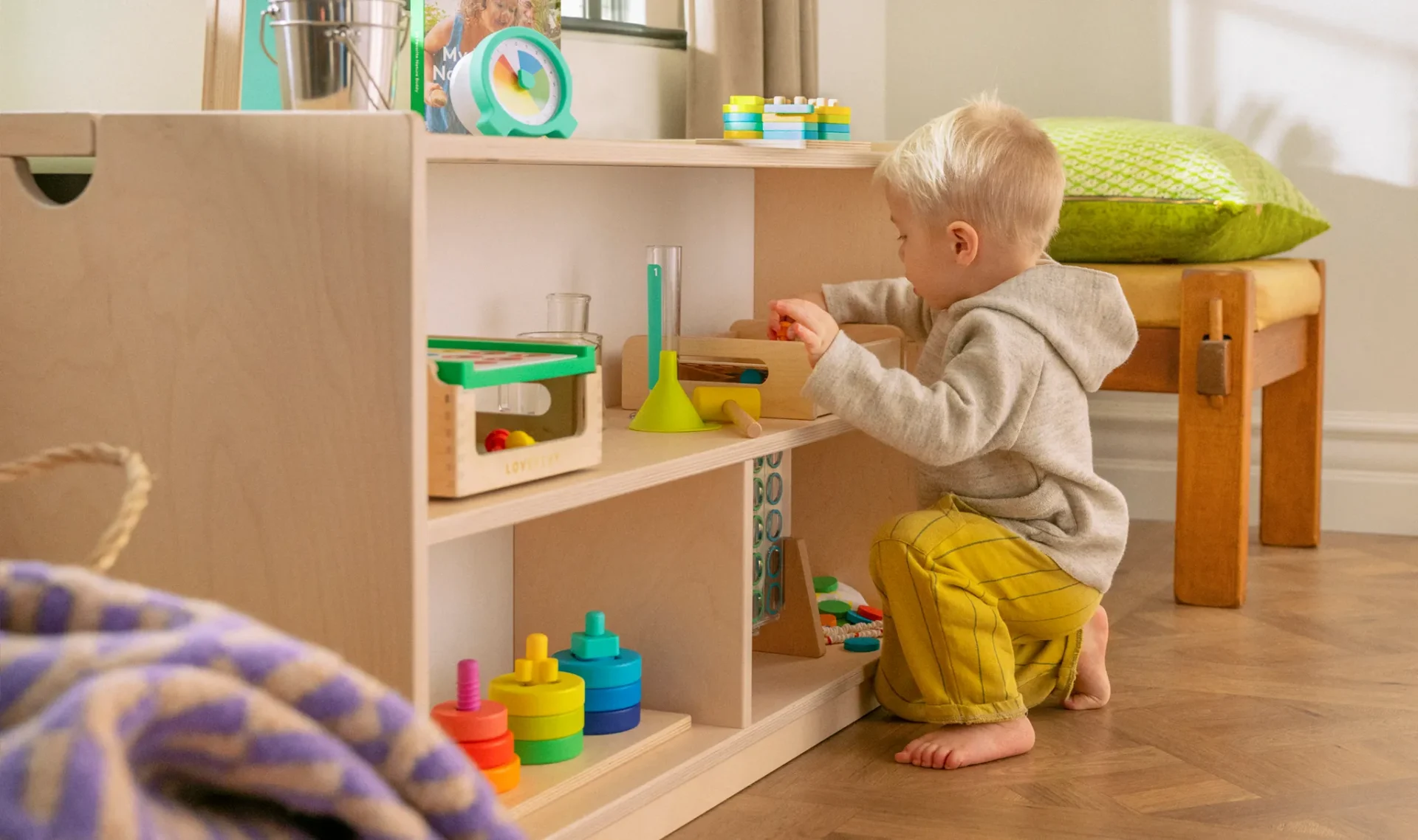
At this stage, the child separates even more, testing the limits of what’s possible. They begin to experiment with independence: refusing help with everyday tasks, trying to dress themselves, taking part in household activities, insisting “myself” on everything. I remember how, at one point, I started fighting for my own right to press the elevator button again—there has to be some balance somewhere.
At this stage, it’s important to support the child’s independence so as not to discourage it later on. Let them do things—imperfectly, slowly, spilling flour all over the kitchen—but let them do them. From a parent’s side, this takes patience; it’s often easier and faster to do it yourself. But wherever possible, give the child space to practice and the right to participate. This is how they learn to plan actions, take responsibility for outcomes, be part of a community, build confidence in their own abilities, and develop a sense of control over their life. For parents, this requires patience and a willingness to give up some comfort, but it’s exactly this kind of practice that lays the foundation for future autonomy.
Here, the child lets go of total dependence and gains their first experience of “I can do it myself.” And this is exactly when it’s important to keep holding them close.
4. Kindergarten (3–6 years)
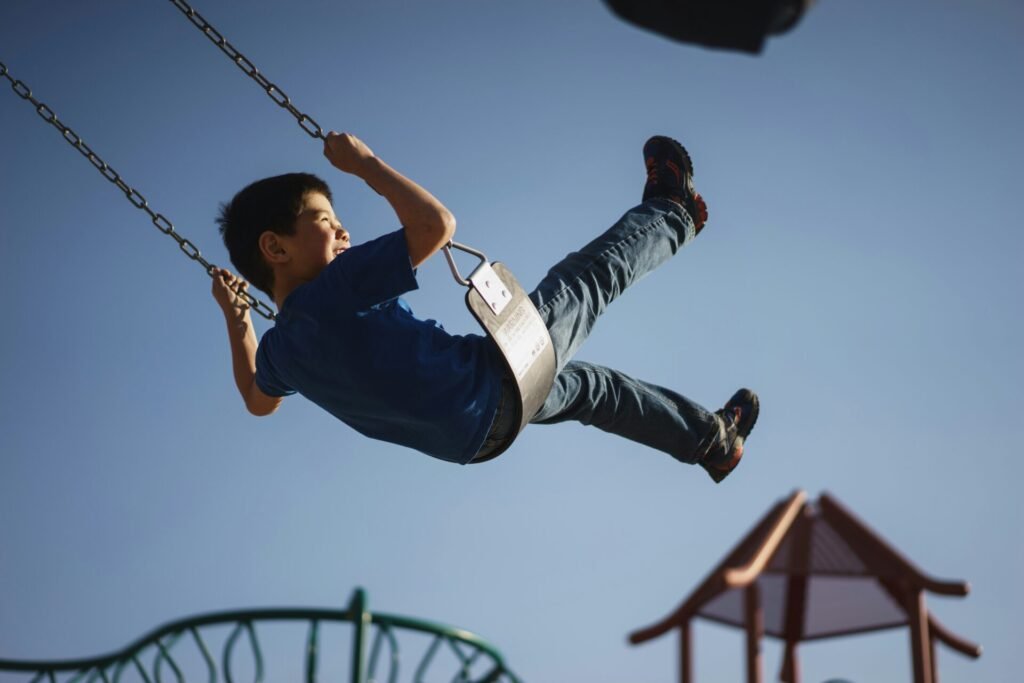
The first long separations from parents are a strong emotional challenge—for both the child and the parents. The child adapts to a group of peers and new rules, learning to interact with other adults.
I remember how hard this period was for me, how much I lacked support and guidance, how much loneliness, sadness, fear, and anxiety came with adapting to kindergarten. Who hasn’t shed a tear when leaving their child there for the first time? But new joys come, too.
At this stage, the child lets go of the constant presence of their parents and gains the experience of being part of a wider world without them.
5. Starting School (6–7 years)
Starting school is another tear. Finishing the first grade—another one. Every performance at a school concert—how big and independent they’ve become. A mix of tender sadness and joy at the same time. Achievements, difficulties, emotional moments, challenging conversations, and new demands.
Here, the child lets go of the role of “little” and gradually steps into the role of someone who can handle tasks, responsibility, and interact with a system.
6. First Independent Walks and Meeting Friends (7–10 years)
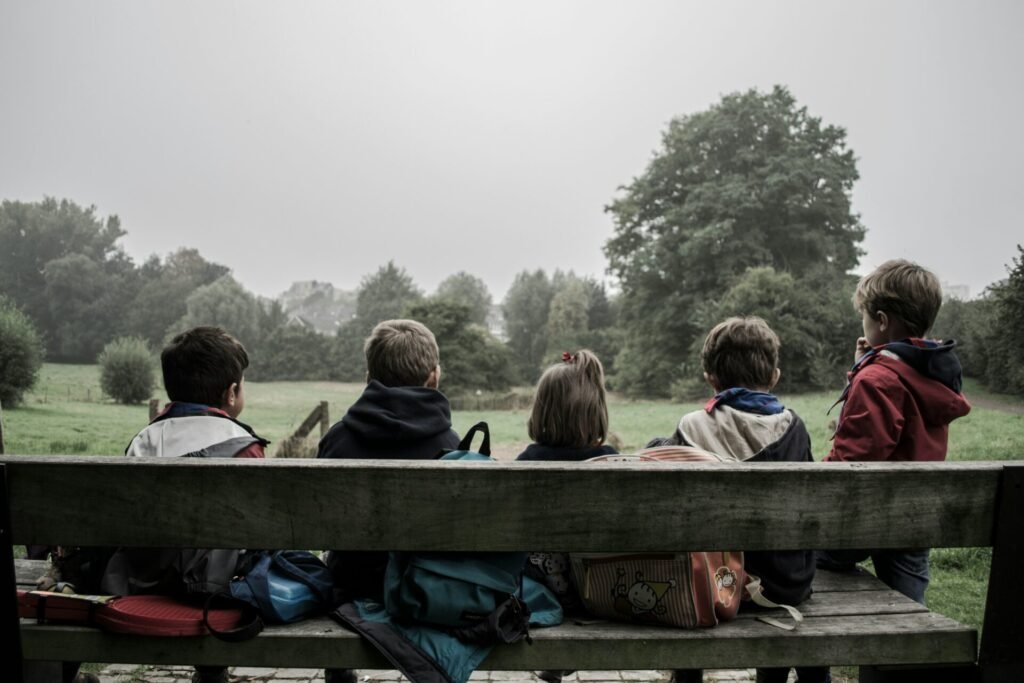
The child begins to explore the social world beyond the family, going on walks without parental supervision and forming friendships. This is where we are now. Mom is rather boring, and all the screen time — we already know it’s harmful. Board games are tiresome, toys are dull, even bedtime reading falters; happiness is outside. Can I do it myself? My “third eye” opens too — the child goes out alone, does that mean I can too? After eight years, it’s easy to forget what freedom feels like.
It’s a mix of anxiety, excitement, and a whole lot of other emotions. Phone numbers, addresses, names, smartwatches. The world is dangerous, unpredictable, and scary if something happens when I’m not there. Children run in, eat, make noise, dash off again. My world changes too. But I remain the shore, the harbor, the lighthouse.
Here, the child lets go of full parental control and gains experience navigating the world independently — with all its risks and joys.
7. Adolescence (11–17 years)

Separation reaches its peak. The adolescent forms their own identity, seeks autonomy in decision-making, and tests social and moral boundaries. We aren’t fully there yet, but my own memories of adolescence are still vivid, and the first steps in that direction are already visible: grappling with the meaning of existence, reflecting on life and death, asserting rights, and so on. I know it will get harder from here. At this stage, sensitivity is crucial, along with the right to emotions and the right to be oneself — even if who that self is remains unknown.
Here, the child lets go of childhood itself and begins to claim their own identity — a separate person with their own choices, perspectives, and path. Having a supportive “wall” behind them is invaluable.
When Separation Doesn’t Happen or Happens with Difficulty
Not all of these stages unfold in a neat, predictable line. Sometimes something is delayed, sometimes it skips a step, sometimes it seems complete on the outside but hasn’t settled inside. A child may cling for a long time — and then any distance feels painful. Or, conversely, they may suddenly push away — but without an inner sense of support, without the calm that connection provides. Parents don’t always let go, or not as fully or as appropriately as needed.
This often reflects how the bond was built in the first place. Was there enough closeness? Was there a place to feel safe? Was there a sense of being held, even while stepping away? Where were we afraid to let go, where did we hold too tightly, and where perhaps we didn’t hold enough?
Later, this shows up clearly in adult life. Decisions feel difficult, responsibility is hard to bear, being independent yet connected is challenging. Emotions swing: wanting to get angry, wanting to flee, wanting to be close again. But this is not final; separation doesn’t have a single moment that either happens or doesn’t. It can continue to be experienced, pieced together, and matured into adulthood. Learning to step away and return is an ongoing process.
In summary
Separation isn’t one big step, but many small movements: a little farther, a little more independently, a little more of their own. It begins with complete unity and gradually unfolds into individuality—not a rupture, but a different quality of connection. For a child to step away, they first need to be well held. To go into their own world, they first need a place to return to.
And you stand there, watching them move away. First a step, then a few meters, then around the corner, then into their own day, with their own people, into their own life. And your role never disappears; you remain support, always accessible. You are the shore, the harbor, the lighthouse.